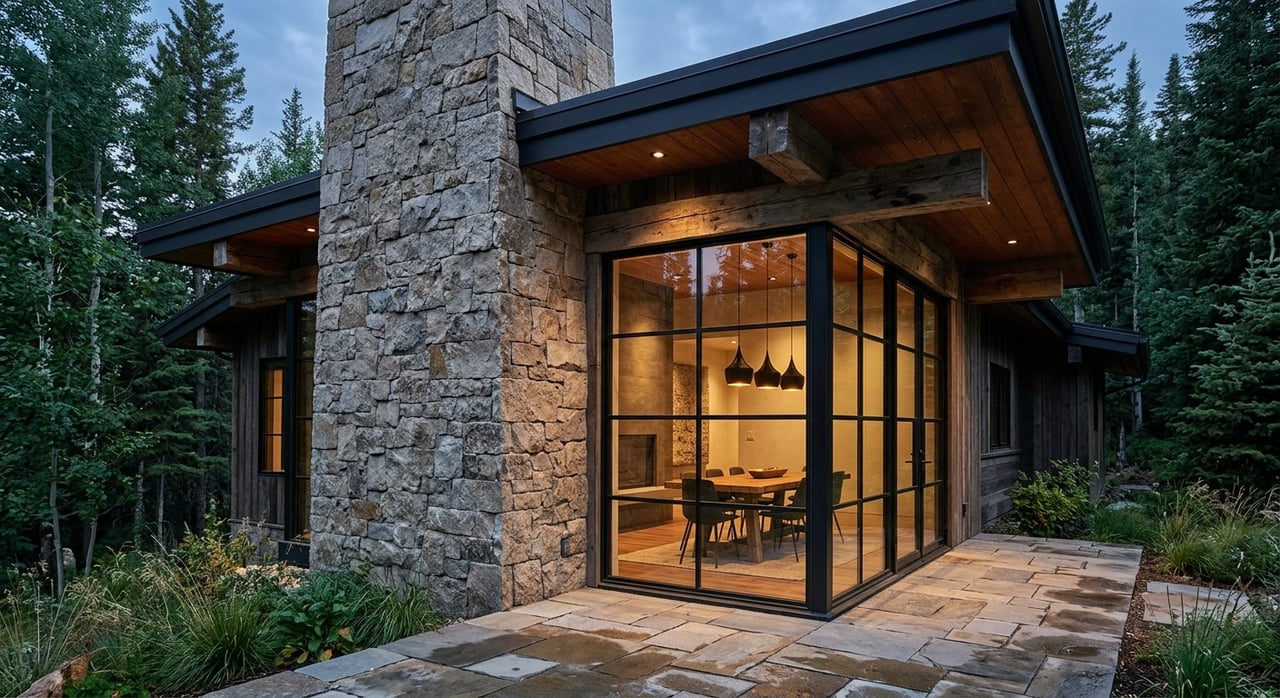
If you are preparing to list a luxury home in Greater Park City, one thing matters right away: this is not a market where broad averages tell the whole story. A slopeside estate, a golf property, a remodeled home in Park City proper, and a large-acreage residence outside town can attract very different buyers and very different price points. When you understand how timing, presentation, pricing, and paperwork work together, you can launch with more confidence and fewer surprises. Let’s dive in.
Know Your Micro-Market First
Greater Park City behaves like a collection of micro-markets, not one uniform luxury market. The Park City Board of REALTORS® reports that pricing can shift based on location, property type, age, amenities, and price tier. That is especially important when you are trying to position a luxury home accurately.
The broader market was active through 2025, with $5.75 billion in total sales volume and single-family sales up 26% year over year to $3.52 billion. At the same time, average monthly residential inventory rose 14% from 2024, and the annual absorption rate landed at 5.2 months, which local reporting described as a balanced market. That means buyers still have choices, and strong presentation matters.
Submarket differences are also significant. In Q1 2026, Park City proper single-family homes posted a median of $4.016 million, while Promontory was at $4.8 million, Glenwild averaged $6.3 million on five sales, and Canyons Village reached a $23.5 million median on only three transactions. Those numbers show why a luxury pricing strategy should be built around your specific neighborhood, property type, and amenity package rather than a countywide average.
Price for Your Exact Amenities
In the luxury segment, details can shift value in a meaningful way. Local market reporting notes that golf membership can add roughly $850,000 to $1.1 million in some settings. It also distinguishes ski-in/ski-out homes from drive-to-resort properties, which can create very different buyer demand and pricing expectations.
That means your home should be evaluated for its exact combination of features. Views, privacy, club access, rental history, remodel quality, acreage, and proximity to resort access can all shape how buyers compare your property to nearby alternatives. In Greater Park City, two homes with similar square footage may compete in completely different ways.
This is where a strategic listing partnership matters. You want a pricing review grounded in recent local sales, active competition, and the amenities buyers are paying a premium for right now. A precise price is often more powerful than chasing an optimistic number and adjusting later.
Choose Timing With Purpose
Many sellers ask if there is a best month to list. In Park City, seasonality does affect buyer traffic, but it should not be the only factor guiding your launch.
According to the local visitor bureau, winter from December to March brings ski and après-ski travel, while summer from June to September is driven by hiking, biking, and outdoor events. Late April to early June and late October to early November are typically quieter shoulder periods. Summer visitors often stay four to five nights, while winter visitors often stay six nights or more, which helps explain why showing activity can rise during those stronger travel windows.
For many luxury homes, a late spring or early summer launch, or an early winter debut, can line up well with buyer traffic. Still, market data suggests that pricing discipline and presentation quality matter more than trying to identify one perfect calendar week. If your home is market-ready, waiting for a supposedly ideal date may not be the best move.
Focus Prep on What Buyers Notice Fast
Luxury buyers in Greater Park City are showing a clear preference for homes that feel move-in ready. The local MLS report notes that buyers paid a premium for new or recently remodeled homes and showed resistance to major remodeling projects. Well-priced older homes still sold, but condition and presentation clearly influenced buyer response.
That does not mean you need a full renovation before listing. In fact, staging guidance cited in the research emphasizes decluttering and styling rather than major remodeling. The goal is to help buyers focus on the home itself, not on distractions.
A smart pre-listing plan often includes:
- Cosmetic repairs that are easy to notice during a showing
- Decluttering and packing away highly personal items
- Neutral touch-ups where needed
- Removing bulky furniture that makes rooms feel smaller
- Refreshing bedding, towels, and entry spaces
- Cleaning and organizing closets and storage areas
These steps matter because buyers often decide how they feel about a home before they study every detail. In a market with more inventory than a year ago, first impressions carry even more weight.
Invest in Staging and Visual Media
Luxury marketing starts long before a buyer walks through the front door. According to the 2025 staging report cited in the research, 83% of buyers’ agents said staging makes it easier for buyers to visualize a property. Another 17% said staging increased the dollar value offered by 1% to 5% compared with similar unstaged homes.
The same report found that buyers care most about photos, physical staging, video, and virtual tours. For a luxury home in Park City, that combination is especially important because many buyers are coming from out of state and may begin their decision-making process remotely.
High-quality visuals should do more than document rooms. They should show how your property lives, whether that means mountain views, indoor-outdoor entertaining, proximity to recreation, a refined primary suite, or the ease of a turnkey residence. For the right buyer, the experience of the home can be just as compelling as the specifications.
Gather Documents Before You Go Live
One of the most practical ways to create a smoother sale is to get your paperwork organized before your home hits the market. Utah transaction requirements can involve more than many sellers expect, especially for luxury properties with HOAs, club structures, water rights, or rental use.
Under Utah’s REPC, sellers may need to provide a written property condition disclosure along with documents such as the title insurance commitment, CC&Rs and rules, HOA minutes, budget and financials when applicable, long-term leases, short-term rental booking schedules, management agreements, evidence of water rights or shares, and notice of known environmental or zoning-code issues. For a complex mountain property, that list can be substantial.
Starting early matters. Utah’s HOA checklist states that sellers can request governing documents and related records from the association, and associations have 14 days to respond. If your home is in an HOA or has club-related details, waiting until you are under contract can create avoidable delays.
Handle Radon and Insurance Questions Early
Mountain-area buyers often ask careful due diligence questions, and two of the most important can involve radon and insurance. Utah DEQ says sellers must disclose hazardous conditions, including radon, based on their current actual knowledge. If a radon test has already been completed, the results should be shared with the buyer.
If no test has been done, testing early can be a practical step to avoid delays or uncertainty later in the process. That does not mean every property will present an issue, but having clear information can help keep negotiations focused and informed.
Insurance is also worth discussing early. The local MLS report notes rising insurance costs in some areas due to fire-zone reclassifications. If your home is in a higher-risk area, surfacing insurance considerations before listing can help buyers evaluate the property more confidently.
Be Ready to Explain Rental and Ownership Details
Some Park City luxury properties come with rental income history, future bookings, management agreements, HOA limitations, or water-rights questions. These details can influence not only due diligence but also buyer perception of value.
If your home has short-term rental bookings, lease agreements, or management arrangements, those records should be easy to access and clearly organized. If the property includes water rights or shares, that information should also be assembled early. In the luxury market, clean information helps support a cleaner transaction.
The same applies to club or membership structures. If your property includes a membership benefit or is located in a community where access affects market value, buyers will want a clear explanation of what transfers, what costs apply, and how that compares with nearby listings.
Build a Launch Plan, Not Just a Listing
A successful luxury listing in Greater Park City is usually the result of coordination, not guesswork. It starts with understanding your submarket, then moves into pricing, preparation, media, timing, and document readiness. Each step supports the next.
A process-driven approach can help you answer the most important seller questions with confidence:
- How much prep is enough before listing?
- Is now the right time to go live?
- Which repairs are worth doing?
- How should ski access, golf access, or club membership affect price?
- Which documents should be ready before an offer arrives?
In a market as nuanced as Park City, that kind of preparation can help your home stand out for the right reasons. It also helps create a smoother experience once buyer due diligence begins.
If you are thinking about listing a luxury home in Greater Park City, the right guidance can make the process more strategic from the start. The team at Experience Park City can help you evaluate timing, pricing, preparation, and positioning so your home enters the market with clarity and confidence.
FAQs
What makes pricing a luxury home in Greater Park City different?
- Luxury pricing in Greater Park City depends heavily on the specific micro-market, property type, condition, and amenities. Local data shows major differences between areas like Park City proper, Promontory, Glenwild, and Canyons Village, so broad averages are usually not enough.
When is the best time to list a luxury home in Park City?
- Winter and summer usually bring stronger visitor traffic, which can support showings and buyer activity. Still, current market evidence suggests that pricing and presentation matter more than trying to pick one perfect week.
How much preparation should a Park City luxury seller do before listing?
- Most sellers benefit from focusing on cosmetic repairs, decluttering, staging, and professional visual marketing rather than taking on major remodeling. Buyers have shown a stronger response to move-in-ready homes, but simple presentation improvements can go a long way.
Do ski access or golf membership affect luxury home value in Park City?
- Yes, they can. Local reporting shows that amenities such as golf membership and true ski-in/ski-out access can materially influence value, so they should be part of a property-specific pricing review.
Which documents should luxury home sellers in Utah gather first?
- Start with property condition disclosures, HOA documents if applicable, title-related materials, leases or rental booking records, management agreements, and any evidence of water rights or shares. Gathering these early can help reduce delays once a buyer goes under contract.
Should Park City luxury sellers test for radon before listing?
- If a radon test has already been done, Utah DEQ says the results should be provided to the buyer. If no test has been completed, testing before listing can be a practical way to avoid delays and make due diligence smoother.